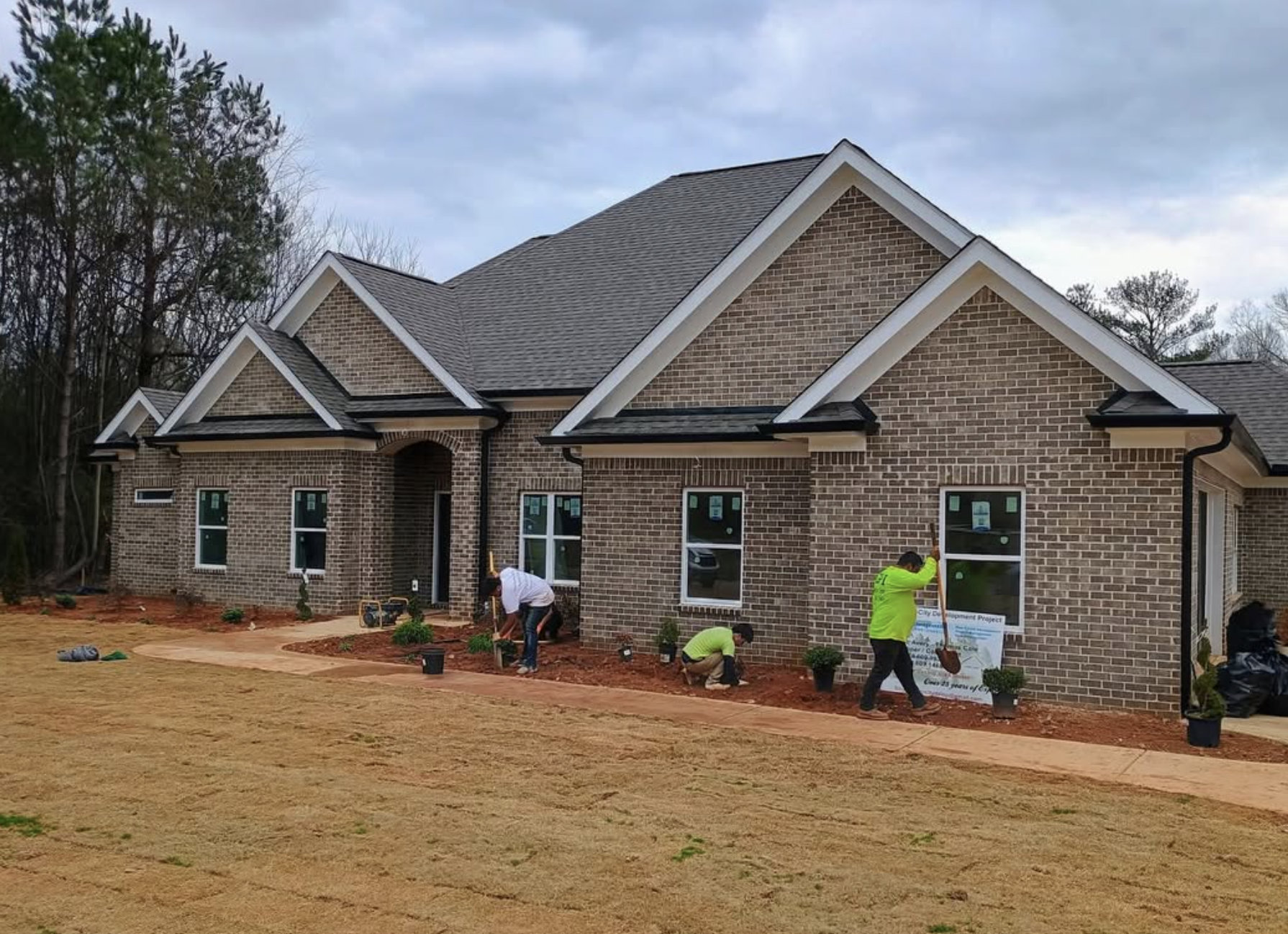
Integrating Smart Building Management Systems in Modern Urban Developments Jun 07, 2026
Smart BMS integrates various building systems—such as lighting, HVAC, security, and energy management—into a single, cohesive network that is easy to monitor and control. This integration leads to remarkable improvements in energy efficiency, reducing operational costs by optimizing energy use. The real-time data provided by these systems enables facility managers to make informed decisions, ensuring buildings operate at peak efficiency and respond dynamically to changing conditions.
In urban environments where space is limited and sustainability is a priority, the benefits of incorporating a smart BMS are manifold. By automating and optimizing key building functions, smart systems significantly reduce energy consumption and carbon footprints. This not only aligns with global sustainability goals but also caters to environmentally conscious tenants and buyers, enhancing the marketability of properties constructed by Inner City Development.
Moreover, smart BMS increases the safety and security of urban developments. Advanced security features such as smart surveillance cameras and automated access control systems enhance the safety profile of a building. These systems can identify unusual activity patterns, alerting security personnel in real time and allowing for quick responses to potential threats. For residents and businesses within Inner City Development projects, this translates into peace of mind and a safer living and working environment.
The comfort and convenience afforded by smart building technologies are another crucial selling point. Occupants can enjoy customizable environments, adjusting lighting, temperature, and even window shading through their smartphones or automated settings. This level of control and customization not only improves tenant satisfaction but also contributes to productivity in office settings. By personalizing their spaces, individuals are more likely to be comfortable and content, which can significantly affect their quality of life.
Implementing a smart BMS also has considerable long-term financial benefits. Although the initial investment may be higher, the ongoing cost savings and enhanced property value justify the expenditure. With predictive maintenance capabilities, these systems alert managers to potential equipment failures before they occur, preventing costly repairs and downtime. The operational savings combined with increased property desirability can lead to higher valuation and rental returns for Inner City Development projects.
As urban developments continue to grow in complexity, integrating smart systems becomes critical for future-proofing investments. Inner City Development can leverage these advanced technologies not only to enhance building efficiency and sustainability but to improve the overall urban living experience for residents and businesses.
In conclusion, Smart Building Management Systems offer an array of benefits that align with the core objectives of Inner City Development. These systems present an opportunity to create urban spaces that are efficient, sustainable, and enjoyable to inhabit. By adopting such forward-thinking technologies, Inner City Development is well-positioned to lead the way in modern urban construction, delivering projects that meet the demands of today and the promise of tomorrow.
/filters:no_upscale()/filters:format(webp)/media/480b9276-4c00-465f-a70a-097d18893aad.jpeg)