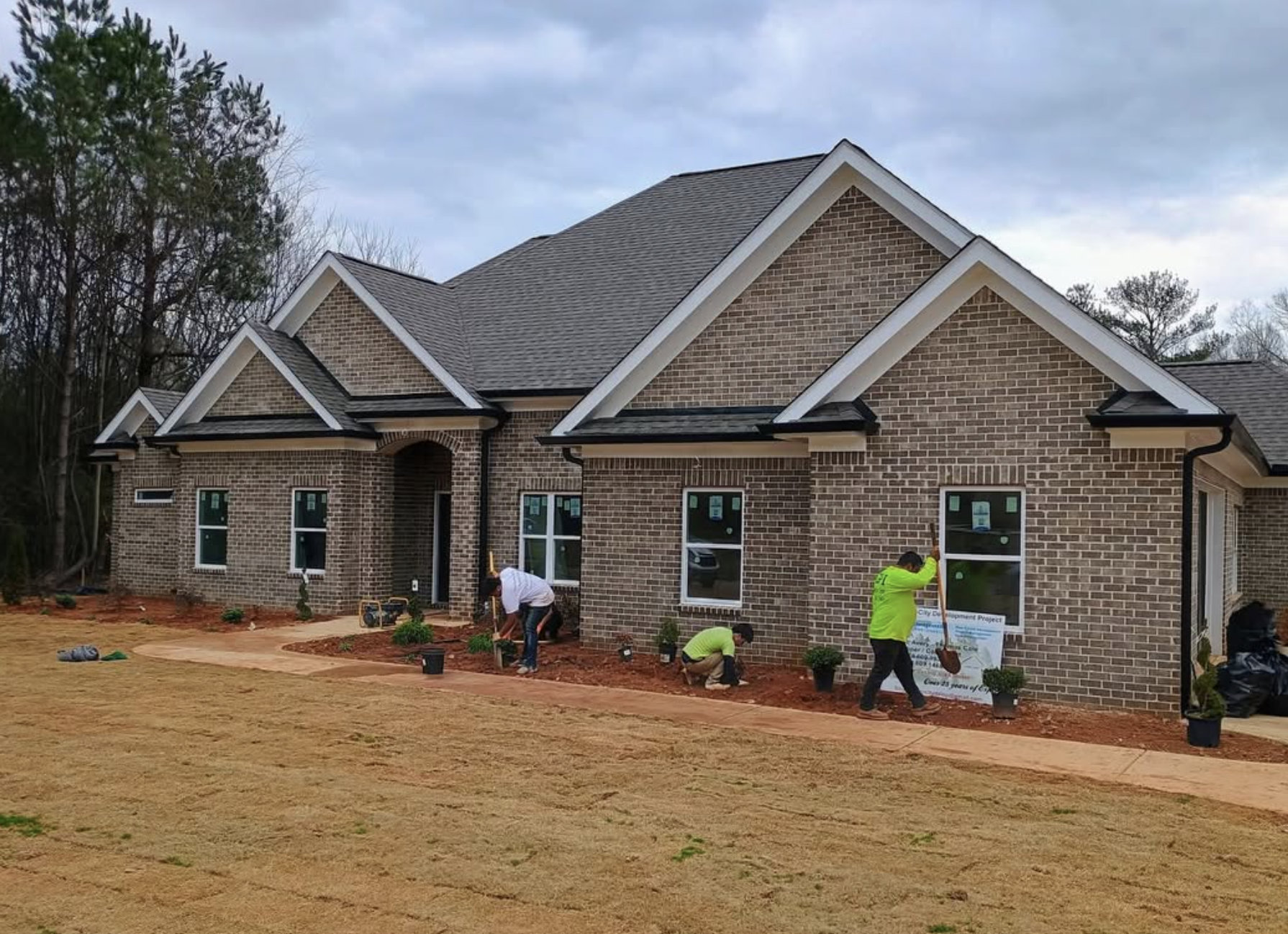
Revitalizing Urban Areas: How Construction Transforms City Neighborhoods Dec 15, 2025
Revitalization begins with reimagining spaces that have been neglected or fallen into disrepair. Inner City Development approaches each project with a vision that respects the history of the area while integrating modern design elements. This thoughtful blend ensures that buildings not only meet contemporary needs but also foster a sense of place and community pride. By preserving architectural heritage and incorporating sustainable building practices, the company contributes to a city's enduring legacy.
One of the key aspects of transforming urban neighborhoods is enhancing connectivity. Inner City Development focuses on creating spaces that improve accessibility, whether through the development of pedestrian-friendly walkways, the inclusion of bike lanes, or enhancements to public transportation options. Such infrastructure improvements are vital for linking commercial districts with residential areas, fostering economic growth and making neighborhoods more attractive for both potential residents and investors.
Economic revitalization often accompanies construction endeavors, as new developments create job opportunities during and after the construction phase. By prioritizing local workforce involvement, Inner City Development ensures that urban projects directly bolster the local economy. In the long term, new commercial spaces attract businesses, leading to increased consumer spending and business growth. Additionally, residential developments attract new populations, further stimulating economic activity.
A crucial component of successful urban revitalization is addressing the specific needs of the community. Inner City Development engages with residents and local stakeholders to understand their vision for the neighborhood. Whether it’s building affordable housing or providing community amenities like parks and cultural centers, the company’s projects are tailored to uplift the local community. This inclusive approach to urban development enhances social cohesion, ensuring that revitalization efforts are both impactful and sustainable.
Sustainability is at the heart of all of Inner City Development's projects. As cities grow, it is essential to consider the environmental impact of new construction. By utilizing green building materials and energy-efficient designs, the company mitigates environmental impacts, helping urban areas become more resilient in the face of climate change. This commitment to sustainability not only preserves natural resources but often results in lower operational costs for buildings, benefiting both residents and business operators in the long run.
In conclusion, revitalizing urban areas through construction transforms city neighborhoods into thriving communities. Inner City Development, with its focus on sustainability, accessibility, and community engagement, plays a pivotal role in this transformation. By harmonizing historical preservation with cutting-edge construction techniques, these revitalization efforts ensure that cities remain dynamic and livable for generations to come. Initiating projects that cater to the diverse needs of city dwellers fosters environments where businesses can thrive, relationships can flourish, and cultural vibrancy can sustain. With thoughtful planning and execution, construction can be a powerful catalyst for urban renewal and prosperity.
/filters:no_upscale()/filters:format(webp)/media/480b9276-4c00-465f-a70a-097d18893aad.jpeg)