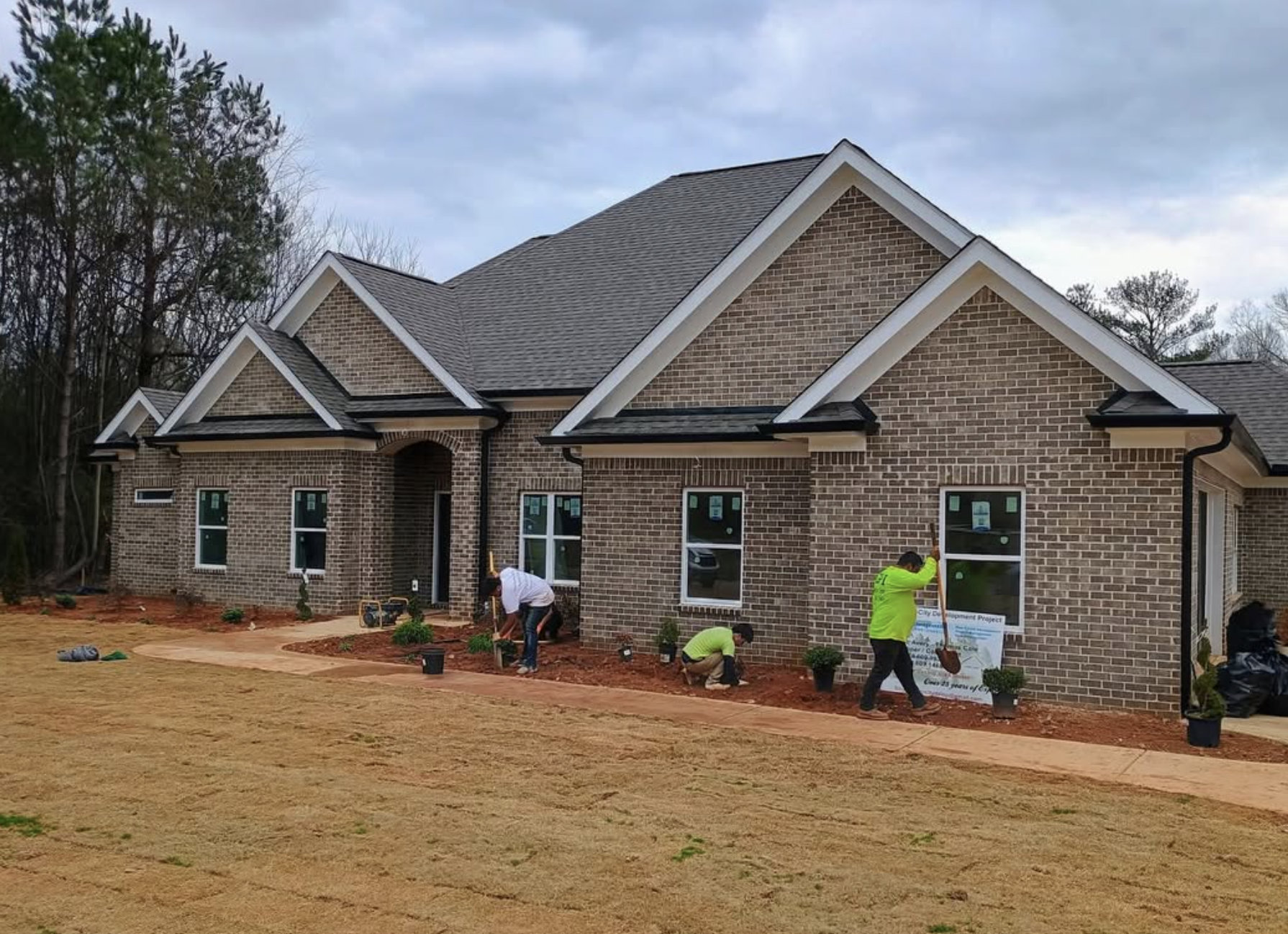
Revolutionizing Urban Living: The Impact of Mixed-Material Construction in City Projects Jul 14, 2026
Mixed-material construction refers to the strategic use of a combination of distinct materials such as wood, steel, and concrete in a single project. The practice of blending different materials allows for more flexibility in design and functionality. A significant advantage of this approach is its contribution to sustainable building practices. By integrating eco-friendly materials like wood and advanced materials like steel or recycled composites, developers can significantly reduce the carbon footprint of urban projects. This is particularly relevant in city settings where sustainability and energy efficiency are top priorities.
One of the standout benefits of mixed-material construction lies in its ability to marry durability with design. Urban environments present unique challenges such as space limitations, complex topographies, and variable weather conditions. Utilizing a variety of materials enables builders to customize structures that are sturdy enough to withstand diverse stresses while maintaining the architectural charm that city dwellers expect. This adaptability also supports Inner City Development’s commitment to creating buildings that not only fulfill functional requirements but also enhance urban aesthetics.
Furthermore, mixed-material construction allows for the maximization of space without sacrificing quality. In densely populated urban areas, the efficient use of space is paramount. The integration of lightweight yet durable materials can help create open and airy environments even in restricted areas. This approach also contributes to faster construction times and reduced labor costs, delivering projects more efficiently without compromising on standards. By reducing the time and resources involved in construction, Inner City Development can offer more competitive pricing and expedited project deliveries, positioning themselves as leaders in urban innovation.
The process of creating mixed-material buildings also involves embracing modern technology, notably in design and construction methodologies. Advanced modeling software and prefabrication techniques are integral to executing these complex projects. These technologies not only increase precision and efficiency but also reduce waste—advancing Inner City Development’s dedication to sustainability and innovation. The precision offered by these technologies ensures that the juxtaposition of materials is done seamlessly, ensuring structural integrity and longevity.
For clients and stakeholders, the advantages of mixed-material construction go beyond just structural and environmental benefits. They encapsulate the holistic lifestyle improvements that smarter urban living spaces provide. By fostering a balance between urban advancement and ecological responsibility, Inner City Development is able to craft environments that enhance the living experience in bustling urban settings.
In conclusion, mixed-material construction is shaping the future of urban development by offering versatile, sustainable, and aesthetically appealing solutions. Inner City Development's innovation-driven approach in embracing this construction method paves the way for more vibrant, eco-friendly, and resilient urban landscapes. As cities continue to grow and evolve, adopting techniques like mixed-material construction is essential in addressing the complex needs of modern urban living while ensuring a positive environmental impact. By doing so, Inner City Development not only meets the demands of today but also safeguards the livability of tomorrow's cities.
/filters:no_upscale()/filters:format(webp)/media/480b9276-4c00-465f-a70a-097d18893aad.jpeg)