Sustainable Building Practices in Urban Environments Nov 12, 2025
The concept of sustainable building practices fundamentally revolves around reducing the negative impacts of construction on the environment while promoting the health and well-being of the occupants. In urban environments, where land is precious and resources are often limited, applying sustainable practices can be challenging yet rewarding.
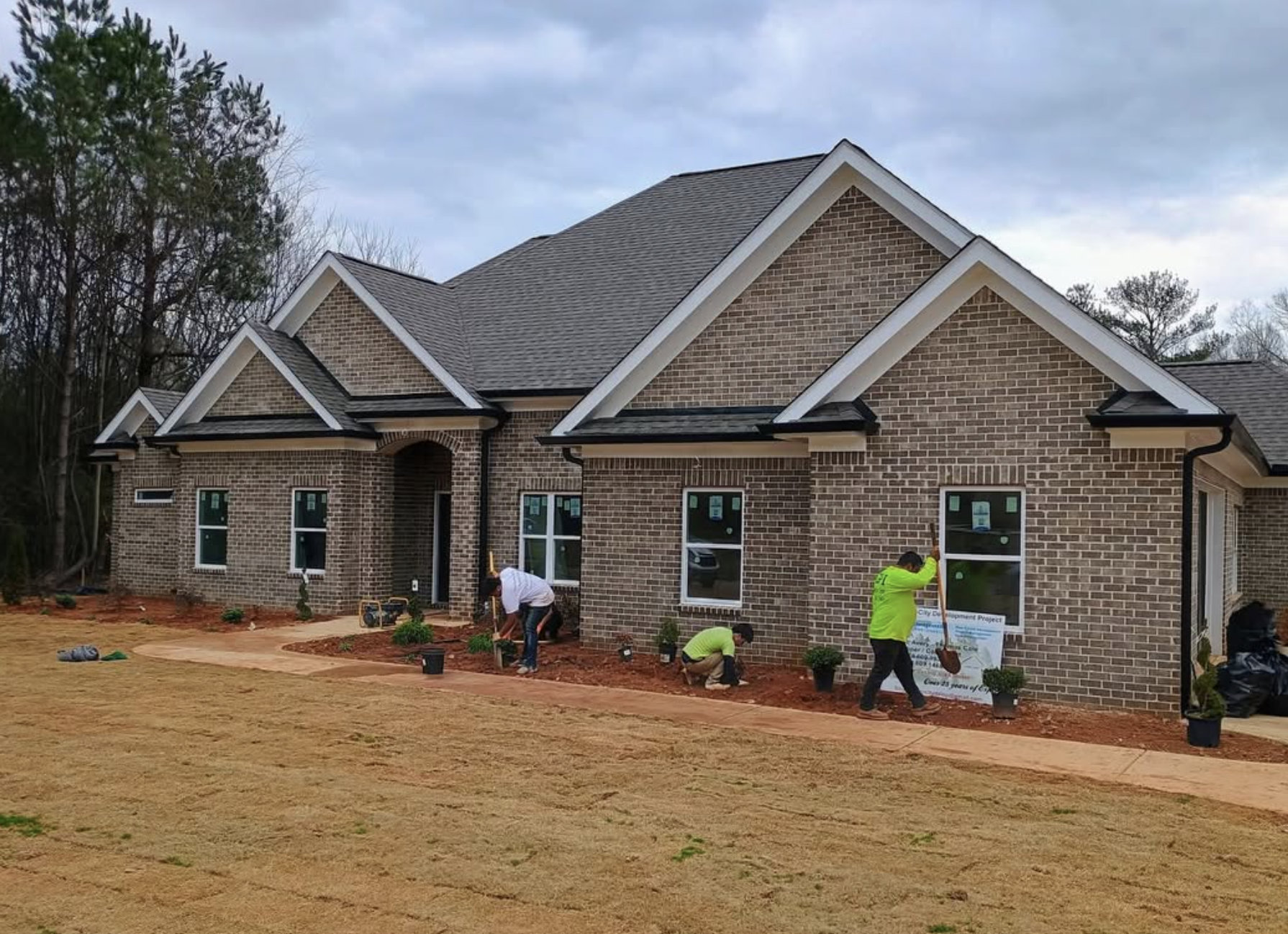
To begin with, effective design planning is crucial. This involves thoughtful use of land, materials, energy, and water. The planning stage is where sustainability has its roots, influencing the entire lifecycle of the building. For instance, using sustainable materials such as recycled steel, reclaimed wood, and low-VOC (Volatile Organic Compounds) paints can significantly reduce the carbon footprint. Inner City Development prioritizes sourcing materials that are locally available and environmentally friendly to enhance sustainability efforts.
Urban environments also benefit immensely from energy-efficient systems. Installing solar panels, implementing advanced HVAC systems, and using LED lighting are practices that contribute to energy conservation. Not only do these systems reduce energy consumption, but they also lower operational costs. Incorporating smart building technologies that adapt to usage patterns plays a critical role in maintaining energy efficiency over time.
Managing water usage is another key pillar of sustainable building. Strategies such as rainwater harvesting systems and greywater recycling can significantly cut down on water usage. Buildings can be designed to capture rainwater for non-potable uses like irrigation and flushing toilets, thus conserving precious drinking water. Moreover, the use of drought-resistant landscaping can further reduce water dependency.
Furthermore, an essential component of sustainable building in urban areas is improving indoor air quality for residents and workers. This can be achieved through the strategic use of ventilation systems and the selection of building materials that minimize or eliminate the emission of harmful pollutants. Ensuring good air quality not only boosts the health of occupants but also enhances productivity and comfort.
Green roofs and vertical gardens are increasingly becoming popular solutions. These offer a dual benefit: they provide insulation—reducing the need for heating and cooling—and promote biodiversity in dense areas. Additionally, they act as natural water management systems that mitigate urban flooding, which is a growing concern in many cities.
Another significant aspect of sustainability is waste management during construction. Recycling construction debris and implementing efficient waste disposal methods can significantly reduce the amount of waste sent to landfills. Using modular construction techniques, which involve prefabricating building sections offsite, can also minimize on-site waste and speed up construction timelines.
The journey toward sustainable urban development involves continuous learning and adaptation. By adopting these practices, companies like Inner City Development not only contribute to reducing environmental impact but also support a future where cityscapes and nature coexist harmoniously. As urban populations grow, the need for sustainable building practices will only become more critical, and leading the charge in this transformation is both a responsibility and an opportunity for positive change.
Consciously integrating these practices promises long-term benefits not just for residents but for the larger global community, paving the way for an environmentally responsible and economically viable future.
/filters:no_upscale()/filters:format(webp)/media/480b9276-4c00-465f-a70a-097d18893aad.jpeg)